
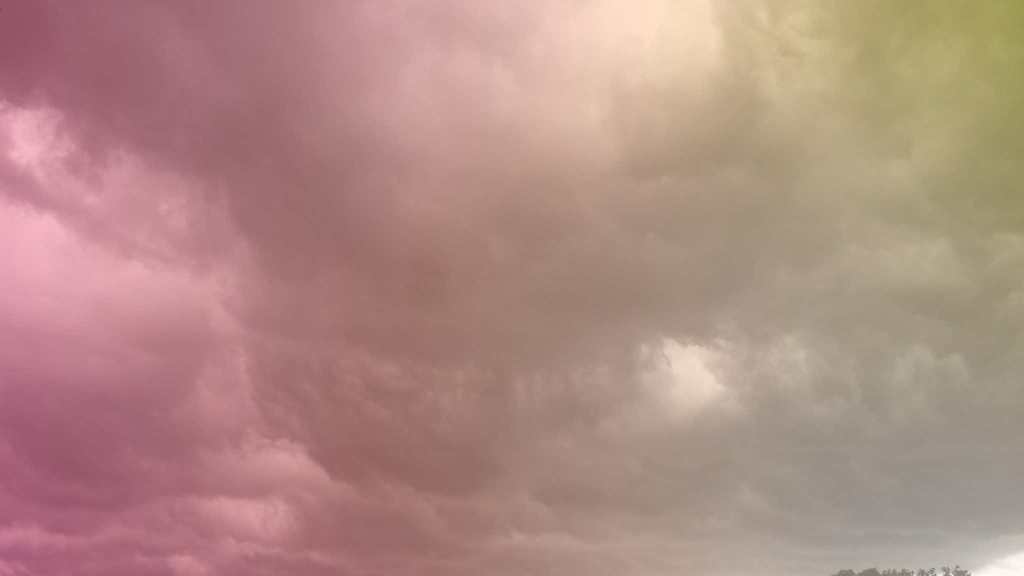
A burnt umber sky drips rust
as desert winds swirl clouds of dust
and snap a shredded plastic bag
clenched in the hands of a ragged
tree skeleton imitating live,
where once true life grew green.
It used to be a sweet warm breeze
blew in from the rolling blue sea
bringing rain to bless the ground
blooms and bees and beauty all around.
But now some obscene Frankenstein
created from carelessly discarded crap
bags, balloons, buoys, bottles,
ropes, cups, straws, plates,
six pack rings, polystyrene, food wrappers
sweeps in and out with the sluggish tides
choking life on both land and sea
and leaving only a faint memory of
fish and plants and birds and bees.
The only things living here are the cockroaches.
tons of trash
What a wasteful destructive group we humans are. Every day we use something once and throw it away, mostly because it is inconvenient to wash or reuse. It is estimated that every year we throw another 8 million or so tons of plastic into the ocean. There is currently an island in the pacific twice the size of Texas that is made almost entirely of plastic. It is estimated that there is 276,000 tons of plastic floating in the sea with more either sunk or washed ashore. If we don’t figure out a way to stop this eventually plastic trash will cover the oceans from shore to shore and suffocate all life on this earth. And this is only one of the terrible acts of abuse we pile on our long suffering planet.
A million seabirds and a hundred thousand marine mammals are killed by ocean plastic every year and 700 species of marine animals are in danger of extinction due to plastic. No one is sure of the impact of humans eating seafood polluted with plastic.
According to NOAA it takes 450 years for a plastic water bottle to decompose and 10 to 20 years for a plastic bag. Some sources say it doesn’t decompose it just breaks down into micro plastics.
Links
https://en.wikipedia.org/wiki/Marine_debris
https://www.newsweek.com/great-pacific-garbage-patch-trash-island-pacific-ocean-857494
https://www.healthline.com/nutrition/microplastics#what-they-are
 Blue Connotations